

tinted black glass
In the realm of industrial fluid control, the shift toward sustainability is reshaping valve manufacturing. Silencing check valves , also known as silence check valves , and components like water valve shut off mechanisms are pivotal. Storaen (Cangzhou) International Trading Co. integrates sustainable materials into these valves, aligning with environmental goals while meeting industrial needs. Silence Check Valve Characteristic Uses Table Characteristic Use Details Valve Body Design Adopts “waist drum” shape, optimizes medium flow, cuts flow resistance Structural Form Short structure; small, cost - effective despite slightly higher head loss vs lifting mute check valves Lubrication & Flexibility Compact build; non - metallic lubrication sleeve between guide shaft/frame ensures flexible valve flap, no jamming Seal Ring Durability Skeleton rubber seal ring embedded in valve body; shields from medium scour, extends service life Water Hammer Mitigation Short valve flap strokes prevent water hammer effectively Application Scope Suits water supply/drainage, high - rise networks; usable as pump outlet or modified suction bottom valve (not for sewage) Sustainable Materials in Silence Check Valve Production Eco - Friendly Polymers:Non - metallic lubrication sleeves in silence check valves can use bio - based or recycled polymers. These materials, like PLA (polylactic acid) or recycled nylon, offer lubricity and flexibility comparable to virgin plastics. They reduce reliance on fossil fuels and minimize waste, ensuring the valve flap moves smoothly without jamming. For wholesalers, highlighting this aligns with client demands for greener supply chains. Recycled Metals:Valve bodies and structural components can incorporate recycled ductile iron or stainless steel. Recycling metals cuts energy use in mining and refining, lowering the valve’s carbon footprint. Storaen (Cangzhou) International Trading Co. ensures these recycled metals maintain strength and corrosion resistance, vital for silence check valves in harsh industrial environments. This sustainability factor adds value for clients focused on circular economy principles. Sustainable Seals:Skeleton rubber seal rings benefit from responsibly sourced materials—like natural rubber from certified sustainable plantations or recycled tire rubber. These options resist medium scour, extending seal life while reducing environmental harm. For silence check valves , durable seals mean fewer replacements, cutting long - term costs and waste, a key point for wholesalers to emphasize. Advantages of Sustainable Materials in Water Valve Shut Off Components Environmental Stewardship:Using sustainable materials in water valve shut off parts—integral to silence check valve systems—slashes reliance on non - renewable resources. Recycled metals and bio - polymers reduce waste and carbon emissions, helping clients meet sustainability targets. Wholesalers can position these valves as eco - friendly solutions, appealing to industries under environmental scrutiny. Performance & Durability:Sustainable materials don’t compromise performance. Recycled metals retain strength, eco - polymers offer flexibility, and sustainable rubbers ensure tight seals. A water valve shut off component made with these materials operates reliably, preventing leaks and backflow. This durability reduces maintenance needs, a cost - saving benefit wholesalers can communicate to clients. Regulatory Compliance:As environmental regulations tighten, sustainable water valve shut off components help clients avoid penalties. Storaen (Cangzhou) International Trading Co. ensures valves meet global standards (e.g., EU Ecolabel, LEED requirements). Wholesalers can assure clients these valves align with compliance needs, streamlining project approvals. Silencing Check Valve FAQS What makes a silencing check valve sustainable? A silencing check valve from Storaen (Cangzhou) International Trading Co. uses recycled metals, bio - based polymers, and sustainable rubbers. These materials cut environmental impact, while lean manufacturing and end - of - life recycling further enhance sustainability. For water valve shut off components within the silencing check valve , this means reduced waste and carbon footprints, aligning with eco - friendly operations. The “waist drum” design, if using recycled materials, also boosts flow efficiency sustainably. How do sustainable materials affect silence check valve performance? Sustainable materials match or exceed traditional materials in performance for a silence check valve . Recycled metals in the valve body ensure structural integrity to handle fluid pressures. Eco - polymers in the lubrication sleeve enable smooth water valve shut off and valve flap movement, preventing jamming. Sustainable rubbers in seal rings maintain tight seals, resisting leaks and backflow, crucial for the reliable operation of silence check valves in industrial fluid control systems. Are water valve shut off components from sustainable materials reliable? Yes. Water valve shut off components in Storaen (Cangzhou) International Trading Co.’s silence check valves use rigorously tested sustainable materials. Recycled metals provide the necessary strength for shut - off mechanisms, bio - polymers ensure flexibility for smooth operation, and responsibly sourced rubbers deliver durable sealing. These components reliably control flow and prevent backflow, making the silence check valve a dependable choice for industrial applications. Why should wholesalers prioritize sustainable silencing check valves? Wholesalers should prioritize sustainable silencing check valves because they meet the growing client demand for eco - friendly industrial solutions. These valves, with sustainable materials in water valve shut off parts and the valve body, appeal to industries focused on ESG (environmental, social, governance) goals. Additionally, the durability of sustainable materials reduces client maintenance costs and downtime, fostering long - term business relationships. By offering silencing check valves from Storaen (Cangzhou) International Trading Co., wholesalers can tap into new markets and enhance their value proposition. What’s the future of sustainable materials in silence check valve manufacturing? The future of sustainable materials in silence check valve manufacturing lies in advanced innovations like biodegradable polymers for lubrication sleeves and carbon - neutral metals for valve bodies. Storaen (Cangzhou) International Trading Co. is exploring these to further reduce environmental impact. For wholesalers, this means access to cutting - edge, sustainable silence check valves that meet evolving client sustainability needs and regulatory requirements. These advancements will also likely improve the performance and durability of water valve shut off components within the valves, ensuring long - term reliability.
about
tinted black glass
Understanding the Critical Role of pad iron in Industrial Applications In heavy industrial environments, the stability and longevity of machinery are paramount. Vibrations, if unchecked, can lead to premature wear, structural fatigue, operational inefficiencies, and even catastrophic failures. This is where engineered solutions like pad iron components become indispensable. As a core element in advanced vibration isolation systems, pad iron provides the structural integrity and support necessary to effectively dampen and dissipate kinetic energy generated by heavy machinery, safeguarding both equipment and operational personnel. These robust components are fundamental to the efficacy of various vibration damping pads for heavy machinery , ensuring optimal performance across demanding sectors. The discussion around pad iron extends beyond mere material composition; it encompasses precision engineering, application-specific design, and adherence to stringent quality standards. From the foundational support for anti vibration rubber pads for heavy machinery to critical components in ac anti vibration pads , its role is diverse and critical. Manufacturing Process Flow of Pad Iron The production of high-performance pad iron involves a meticulously controlled, multi-stage manufacturing process designed to achieve superior strength, dimensional accuracy, and material integrity. Our commitment to quality ensures each unit meets the rigorous demands of industrial use. Process Steps: Material Selection & Preparation: Begins with high-grade carbon steel or alloy steel, selected based on application-specific requirements for tensile strength, yield strength, and fatigue resistance. Materials typically conform to ASTM A36, A572 Grade 50, or equivalent international standards. Raw materials undergo rigorous quality checks for chemical composition and structural integrity. Casting or Forging: Casting: For complex geometries, molten steel is poured into precision molds. This method allows for intricate shapes and internal structures. Controlled cooling ensures uniform grain structure and minimizes internal stresses. Forging: For maximum strength and ductility, heated steel billets are shaped through compressive forces. This process refines the grain structure, enhancing mechanical properties and reducing porosity, ideal for components under extreme cyclic loads. Heat Treatment: Components undergo various heat treatment regimes such as normalizing, quenching, and tempering. This optimizes hardness, toughness, and stress relief, enhancing the overall performance and service life of the pad iron , particularly for applications requiring enhanced wear resistance or impact strength. CNC Machining: Precision machining ensures exact dimensions, critical tolerances, and smooth surface finishes. Advanced CNC (Computer Numerical Control) machines are utilized for milling, drilling, and shaping, guaranteeing a perfect fit with associated damping materials and machinery interfaces. Surface Treatment & Coating: Depending on the target industry and environment (e.g., petrochemical, marine), the pad iron may receive protective coatings such as zinc plating, hot-dip galvanization, or specialized epoxy paints for enhanced corrosion resistance. This significantly extends service life, particularly in aggressive chemical or saline environments. Quality Control & Testing: Each batch undergoes rigorous testing to meet international standards such as ISO 9001 for quality management, and specific material standards (e.g., ASTM, ANSI) for mechanical properties, dimensional accuracy, and surface finish. Non-destructive testing (NDT) like ultrasonic inspection or magnetic particle inspection may be applied to detect any internal flaws. Assembly & Packaging: Final inspection, secure packaging, and preparation for shipment, often integrated with specified damping materials to form complete anti vibration pads assemblies. The typical service life of our pad iron components ranges from 15 to 30 years, contingent upon application, environmental conditions, and maintenance. This extended lifespan contributes significantly to energy saving through reduced machinery downtime and maintenance costs, while superior corrosion resistance ensures reliable performance even in harsh industrial settings. Industry Trends and Market Demand for Vibration Damping Solutions The global industrial landscape is experiencing a heightened demand for advanced vibration management solutions. With the proliferation of high-speed, high-precision machinery across manufacturing, energy, and infrastructure sectors, the need for effective vibration damping pads for heavy machinery has never been more critical. Industry 4.0 initiatives emphasize operational efficiency, predictive maintenance, and extended asset lifecycles, all of which are directly impacted by superior vibration control. Innovations in material science, particularly in elastomeric composites and high-strength alloys, are driving the evolution of components like pad iron , leading to more compact, durable, and effective damping solutions. Key trends include: a shift towards modular and customizable anti-vibration systems, increased focus on sustainability through recyclable materials, and the integration of smart monitoring capabilities for real-time vibration analysis. The market for anti vibration pads is projected to grow significantly, driven by these technological advancements and the escalating costs associated with machinery failure and unscheduled downtime. Technical Specifications and Parameters Our pad iron components are engineered to precise technical specifications, ensuring optimal performance under extreme operational conditions. The following table outlines typical parameters for our standard-grade pad iron , often utilized as a robust base for vibration isolators. Typical Pad Iron Specifications (Base Plate for Vibration Isolators) Parameter Specification Standard/Test Method Material Grade Carbon Steel (e.g., ASTM A36 / S235JR) or Alloy Steel (e.g., ASTM A572 Gr.50) ASTM, EN Tensile Strength 400-550 MPa ASTM E8 / ISO 6892-1 Yield Strength 250-400 MPa ASTM E8 / ISO 6892-1 Hardness (Brinell) 120-180 HB ASTM E10 / ISO 6506-1 Surface Finish Ra 3.2 – 6.3 µm (machined surfaces) ISO 4287 Corrosion Resistance Excellent (uncoated); Superior (with protective coating) ASTM B117 (Salt Spray) Operating Temperature -40°C to +150°C (Material Dependent) Manufacturer's Specification Typical Dimensions Variable (e.g., 200x200x25mm to 1000x1000x100mm) Customer Drawings/ISO 2768-1 Load Capacity (per unit) 500 kg to 50,000 kg+ (Application Dependent) FEA / Dynamic Load Testing These specifications are crucial for engineers when designing vibration isolation systems, ensuring that the pad iron can withstand static and dynamic loads, resist environmental degradation, and provide a stable foundation for the damping elements, thus maintaining optimal performance of the overall system and the machinery it supports. Application Scenarios and Technical Advantages The versatility and robust nature of pad iron make it an essential component across a wide array of heavy industries. Its primary function is to provide a stable, high-load-bearing interface between machinery and its foundation, crucial for the effective performance of anti vibration pads . Target Industries: Petrochemical: Supporting compressors, pumps, and turbines where integrity is critical to prevent leaks and maintain operational uptime. Corrosion resistance is paramount due to exposure to chemicals. Metallurgy: Providing stable bases for rolling mills, presses, and forging equipment, absorbing massive shock loads and continuous vibrations, extending equipment life and enhancing precision. Water Supply & Drainage: Stabilizing large-scale pumps, motors, and filtration systems, crucial for preventing pipe fatigue and maintaining consistent flow rates. Often requires superior resistance to moisture and potentially corrosive elements. Power Generation: Anchoring generators, turbines, and ancillary equipment, where minimizing vibration transmission is vital for grid stability and operational safety. Manufacturing & Automotive: Supporting stamping machines, CNC equipment, and robotics, ensuring precision operation and worker safety by mitigating vibration-induced fatigue. Demonstrated Advantages in Typical Application Scenarios: Energy Saving: By effectively damping vibrations, pad iron reduces energy dissipation as unwanted kinetic energy. This translates to less stress on machinery components, leading to reduced friction and improved mechanical efficiency, indirectly contributing to lower energy consumption and longer component life. For example, a well-isolated pump operates more efficiently, consuming less power over its lifespan. Corrosion Resistance: Utilizing specialized alloys and advanced surface treatments, our pad iron exhibits exceptional resistance to chemical agents, moisture, and saline environments. This is particularly beneficial in offshore oil & gas, wastewater treatment plants, and chemical processing facilities, where maintaining structural integrity against aggressive elements is critical for safety and operational continuity. Enhanced Precision: In applications requiring high precision, such as CNC machining centers or optical equipment, stable bases provided by pad iron significantly reduce micro-vibrations, leading to higher product quality, tighter tolerances, and fewer rejects. Extended Machinery Lifespan: Reducing mechanical stress and fatigue on bearings, shafts, and other critical components extends the operational life of heavy machinery, significantly lowering maintenance costs and capital expenditure on replacement parts. Reduced Noise Levels: Effective vibration damping also correlates directly with reduced noise propagation, creating a safer and more comfortable working environment for personnel, crucial for occupational health and safety compliance. Vendor Comparison: Why Choose STR Machinery for Your Pad Iron Needs The market offers various suppliers for industrial vibration solutions, but distinguishing quality, reliability, and technical expertise is paramount. STR Machinery stands out through its commitment to engineering excellence, comprehensive product offerings, and unparalleled customer support for pad iron and related damping components. Comparison Table: Key Differentiators Feature STR Machinery Competitor A (Generic) Competitor B (Specialized) Material Certification ISO 9001, ASTM, CE (Traceable Batch Records) Basic Compliance ISO Certified (Limited Traceability) Customization Capabilities Extensive (Material, Geometry, Coating, Load) Limited Standard Sizes Only Moderate (Basic Dimension Changes) Technical Expertise & Support Dedicated Engineering Team, 24/7 Support, Site Consultations Basic Phone/Email Support Standard Business Hours Support Lead Time (Standard Products) 2-4 Weeks 4-8 Weeks (Variable) 3-5 Weeks Warranty & After-Sales 2-5 Year Comprehensive Warranty, Full Lifecycle Support 1 Year Limited Warranty 1-2 Year Standard Warranty Global Reach & Logistics Robust Global Distribution Network, Expedited Shipping Options Regional Focus Limited International Shipping Our adherence to international quality management systems, extensive experience (over 20 years in heavy machinery components), and a roster of esteemed partner clients (available upon request) underscore our authority in the field. We prioritize customer success by providing solutions that not only meet but exceed operational expectations for pad iron and associated damping technologies. Customized Solutions for Unique Challenges Recognizing that no two industrial applications are identical, STR Machinery specializes in providing bespoke pad iron solutions. Our engineering team works closely with clients to develop tailor-made components that address specific load profiles, environmental conditions, geometric constraints, and performance targets. Whether it's unique material compositions for extreme temperatures, specialized coatings for highly corrosive environments, or custom geometries for integration into complex machine designs, we have the capability and expertise to deliver. Our customization process involves detailed FEA (Finite Element Analysis) for stress distribution, CFD (Computational Fluid Dynamics) for thermal management, and dynamic load testing to ensure the customized pad iron performs exactly as required. This approach guarantees optimal damping efficiency, extended service life, and seamless integration with existing vibration damping pads for heavy machinery and other isolation elements. Application Case Studies Case Study 1: Petrochemical Compressor Isolation A major petrochemical client was experiencing excessive vibration and noise from a critical reciprocating compressor, leading to frequent maintenance and concerns about pipeline integrity. Traditional anti vibration pads were failing prematurely due to high chemical exposure and continuous heavy loads. Solution: STR Machinery engineered a custom pad iron base plate system forged from stainless steel (AISI 316L) with a specialized high-durometer elastomeric insert. The stainless steel pad iron provided superior corrosion resistance and structural support, while the elastomeric element optimized damping. Results: Post-installation vibration levels were reduced by 75%, noise levels dropped by 12 dB, and compressor uptime increased by 30%. The solution demonstrated exceptional durability, with no sign of material degradation after 5 years of operation. Case Study 2: Steel Mill Rolling Press Foundation A large steel manufacturer sought to enhance the precision and reduce the maintenance burden of a heavy rolling press. Existing foundations allowed significant vibration transmission, leading to uneven product thickness and accelerated wear on press components. Solution: We designed and supplied heavy-duty, cast pad iron elements, each weighing over 500 kg, which were integrated into a reinforced concrete foundation. These massive pad iron components provided the necessary mass and stiffness to stabilize the press, coupled with specialized anti vibration rubber pads for heavy machinery to absorb shock loads. Results: Rolling precision improved by 15%, reducing material waste. Component lifespan for bearings and rollers on the press increased by over 40%, translating to significant operational cost savings and reduced unscheduled downtime. Trustworthiness & Support Frequently Asked Questions (FAQ) Q: What is the typical lead time for standard pad iron orders? A: For standard products, our lead time typically ranges from 2 to 4 weeks, depending on order volume and current production schedule. Expedited options are available upon request. Q: Can STR Machinery provide custom dimensions or material grades for pad iron ? A: Absolutely. Customization is a core strength. We offer bespoke solutions for dimensions, material grades (e.g., stainless steel, higher-strength alloys), surface treatments, and load capacities. Our engineering team will work with you to meet your precise requirements. Q: What warranty is offered on your pad iron products? A: We offer a comprehensive 2-year warranty on all standard pad iron products against manufacturing defects and material failures under normal operating conditions. Extended warranties are available for specific projects. Q: How do your anti vibration pads compare to other suppliers? A: Our anti vibration pads , often incorporating robust pad iron bases, are engineered for superior performance, durability, and a longer service life. We utilize advanced materials, rigorous testing, and offer extensive customization and engineering support, distinguishing us from many standard suppliers. Q: What kind of after-sales support do you provide? A: We provide comprehensive after-sales support including technical consultations, troubleshooting, and replacement part services. Our dedicated support team is available during business hours, with emergency support options for critical applications. Lead Time & Fulfillment Our robust supply chain and optimized manufacturing processes enable efficient order fulfillment. Standard pad iron products are typically ready for dispatch within 2-4 weeks. For custom orders, lead times are determined during the design and quotation phase, based on complexity and material requirements, ensuring clear communication and realistic expectations for our B2B partners. Warranty Commitments STR Machinery stands behind the quality and performance of its pad iron products. We offer a standard 2-year warranty from the date of purchase, covering defects in materials and workmanship. This commitment reflects our confidence in our engineering and manufacturing excellence, providing our clients with peace of mind and assurance of reliability. Customer Support Information Our dedicated customer support team is available to assist you with technical inquiries, order status, and after-sales service. You can reach us via our website contact form, email, or direct phone line during business hours. For critical issues, emergency support protocols are in place to ensure minimal disruption to your operations. We pride ourselves on responsive and knowledgeable service. References ASTM International. "Standards for Mechanical Testing of Metals." ASTM.org. ISO. "ISO 9001:2015 Quality management systems – Requirements." ISO.org. Norton, M. P., & Karczub, D. G. (2003). Fundamentals of noise and vibration analysis for engineers. Cambridge University Press. Den Hartog, J. P. (1956). Mechanical vibrations. Courier Corporation.
-

High quality industrial productsagement

High quality industrial products
View Details -

Meet the diverse needs of customers

Meet the diverse needs of customers
View Details -

Strict quality control

Strict quality control
View Details -

Top raw materials

Top raw materials
View Details -

Trusted supplier

Trusted supplier
View Details
Our application


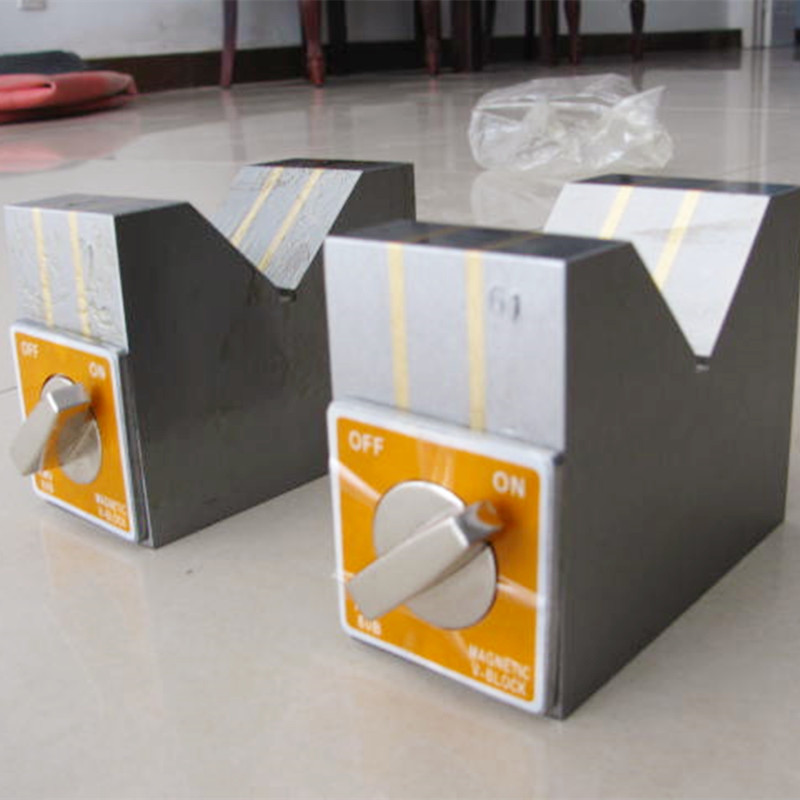
news and information
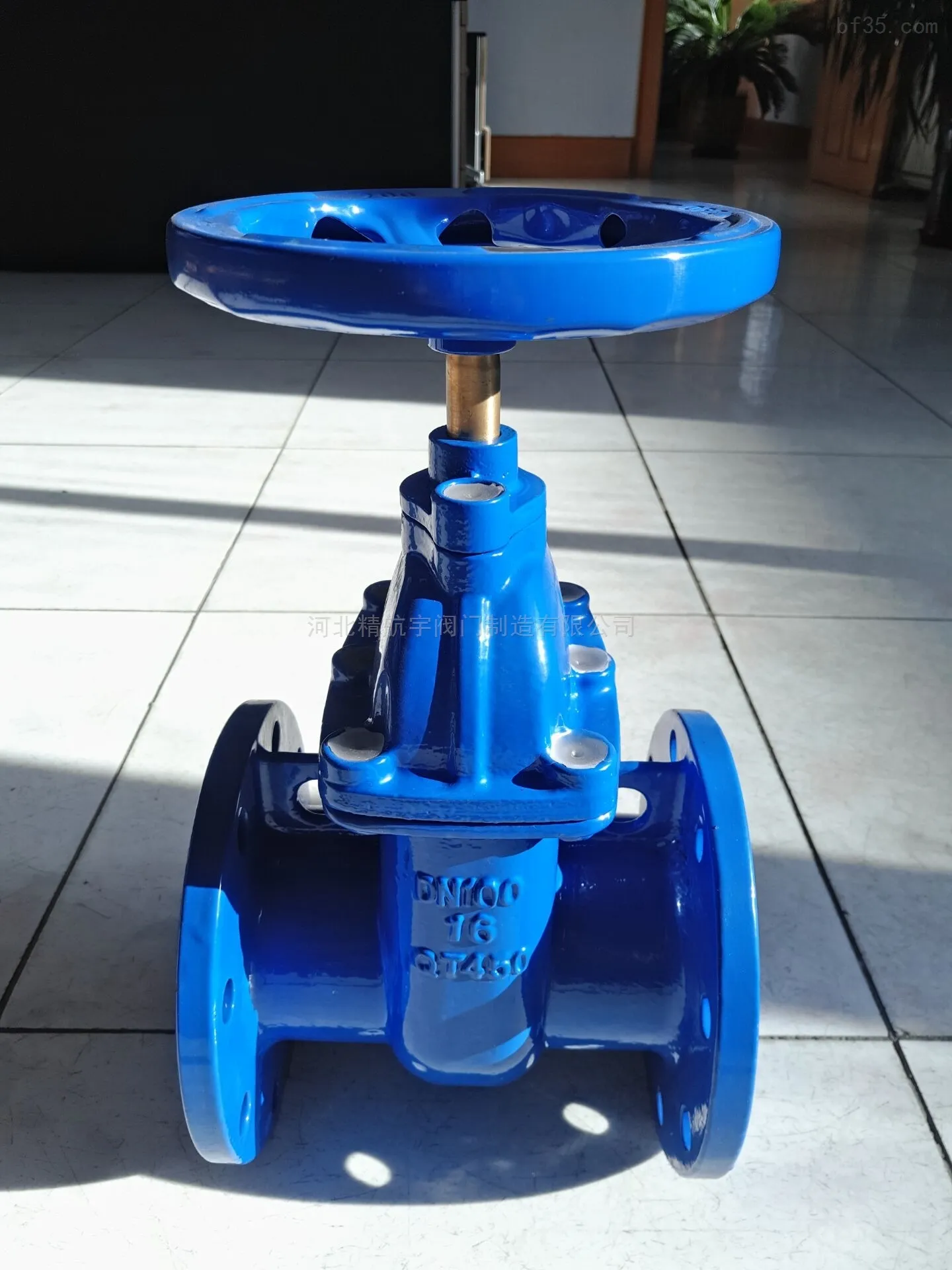
water flow control valve types
The innovative technology behind water control valves has dramatically revolutionized the way indust
Various Types of Non-Return Valves and Their Applications in Fluid Control
Understanding Non-Return Valve Types Non-return valves, also known as check valves, play a crucial r
Using a Thread Ring Gauge for Precision Thread Measurements and Inspections
The Importance of Thread Ring Gauges in Quality Control Thread ring gauges are vital tools used in v
 English